2 February 2026

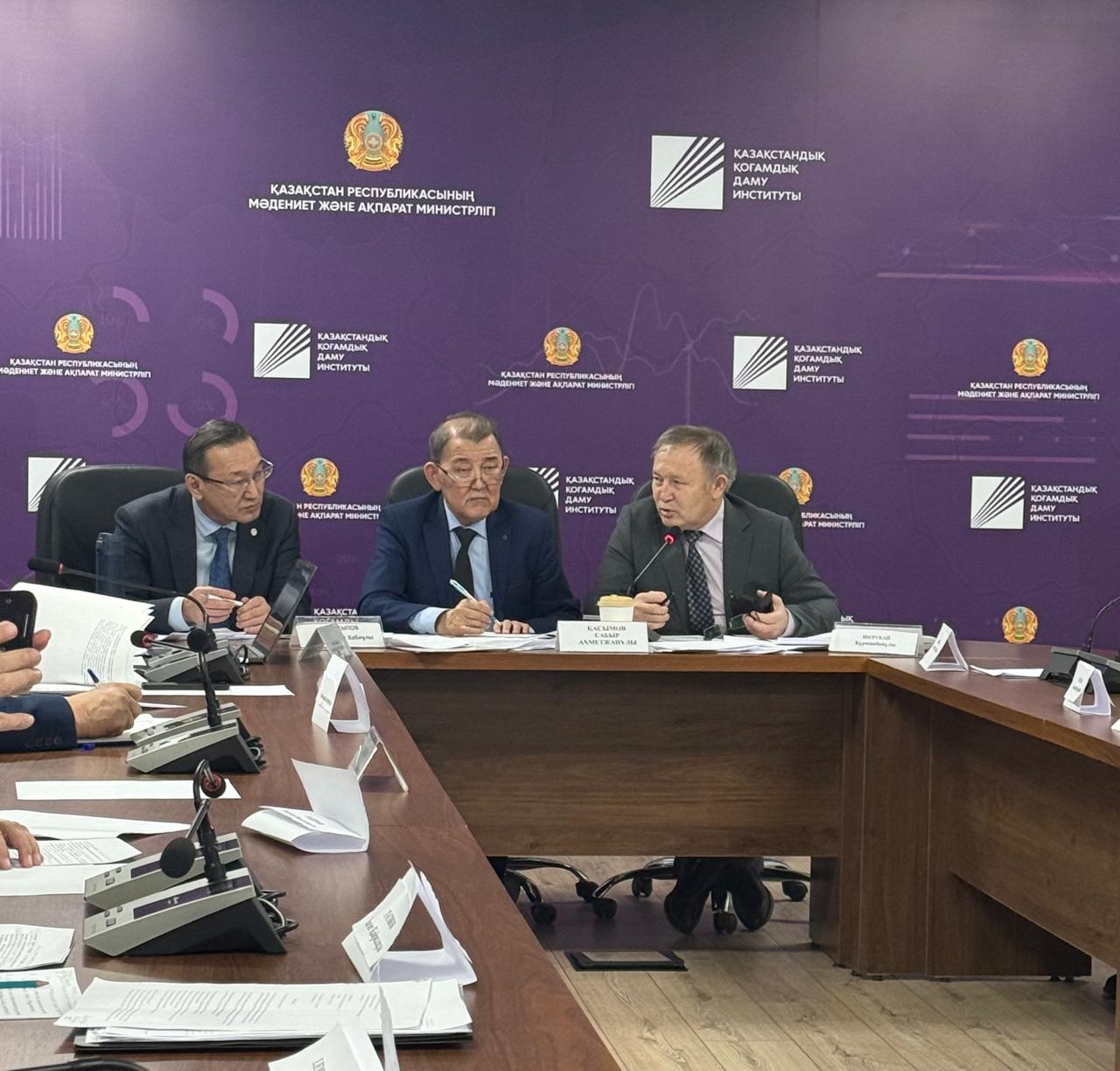
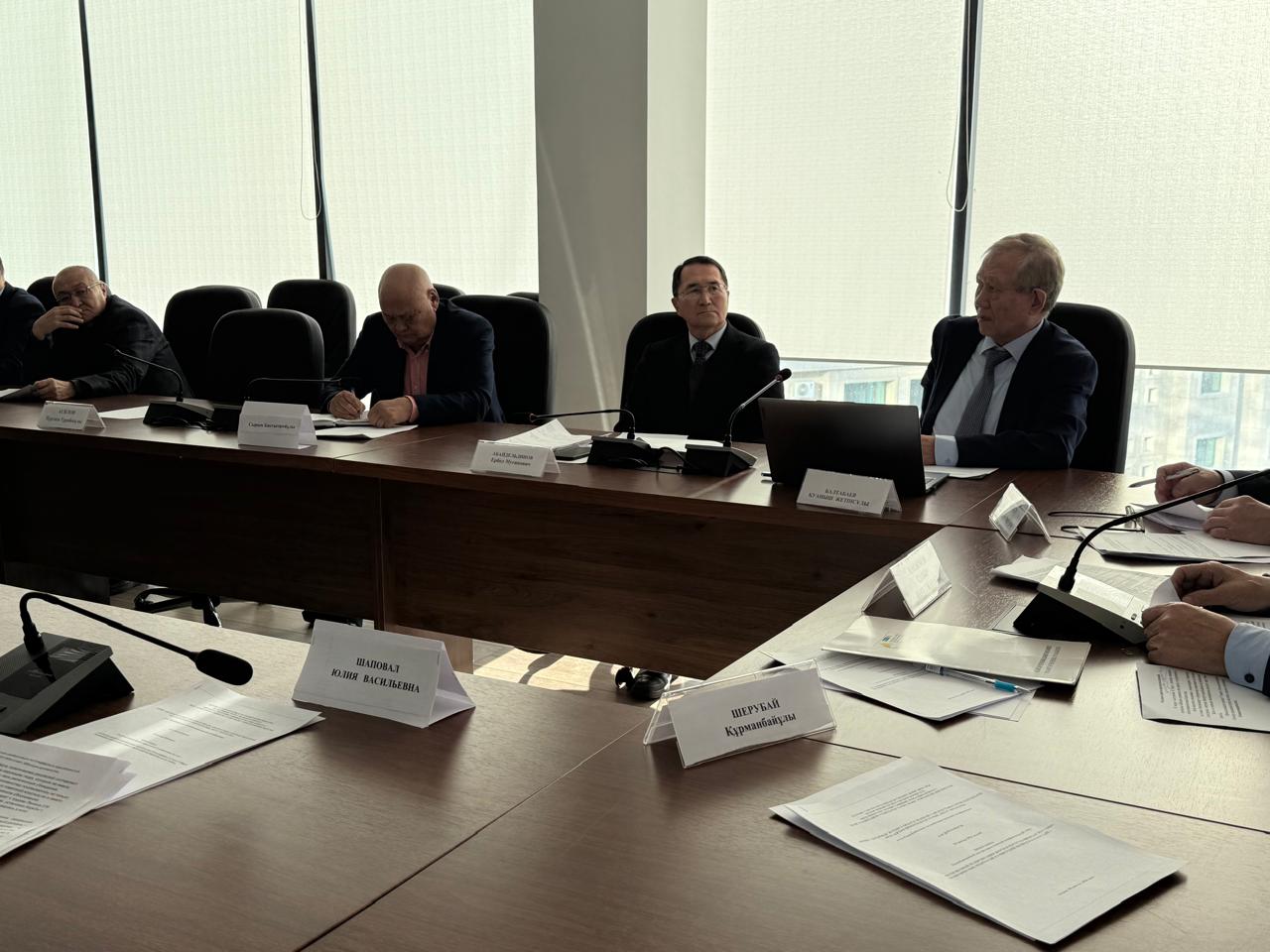
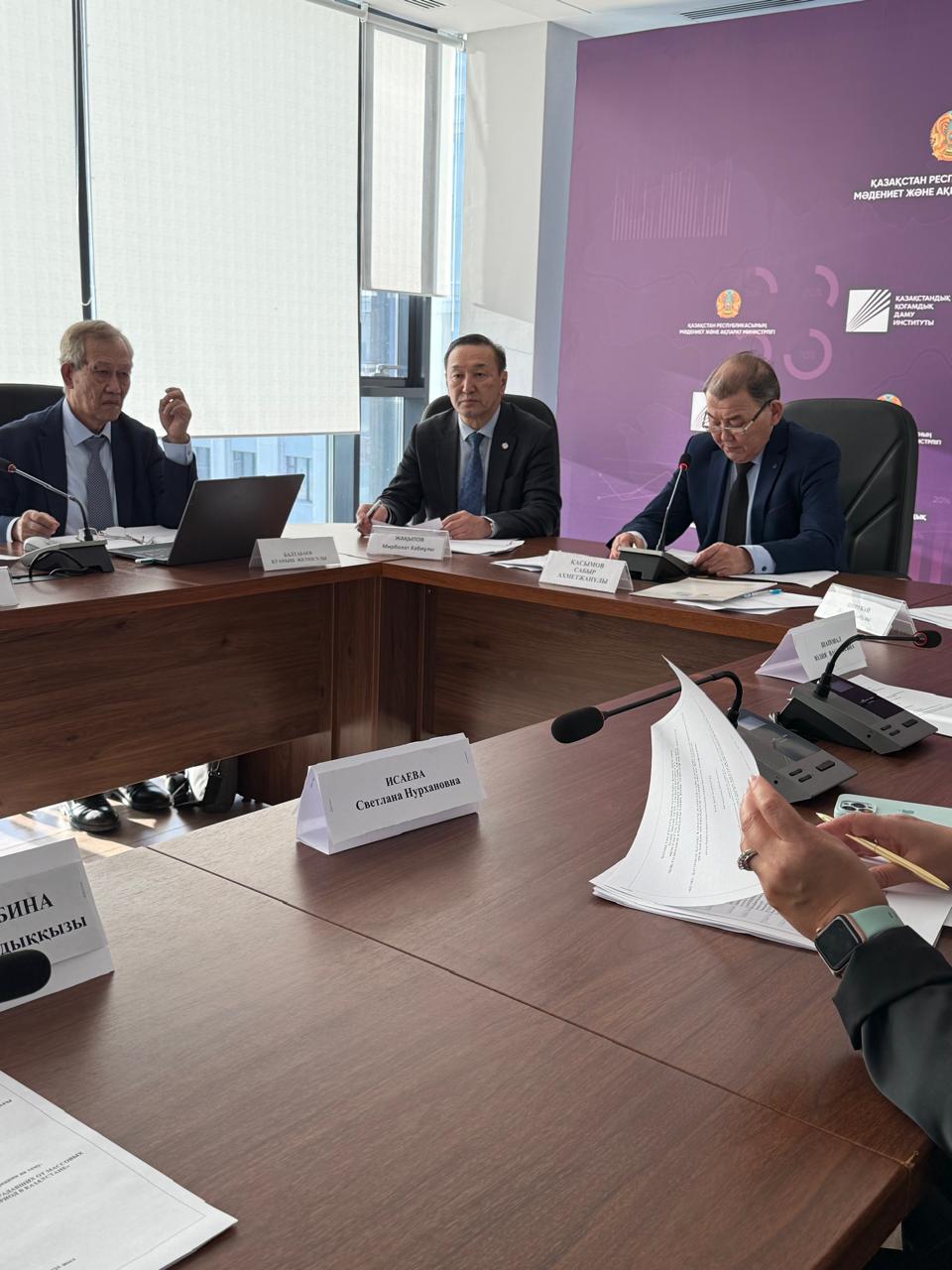
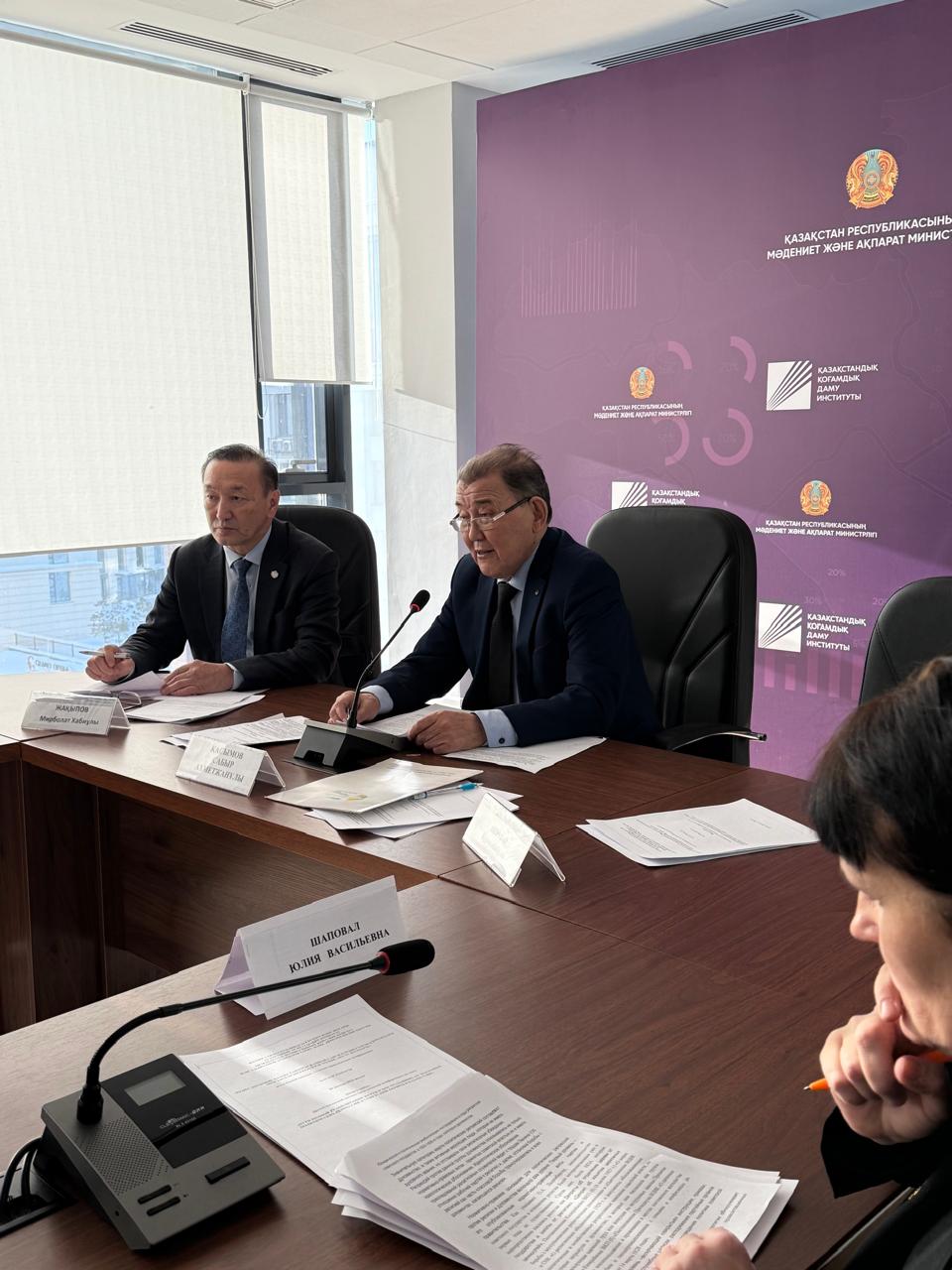
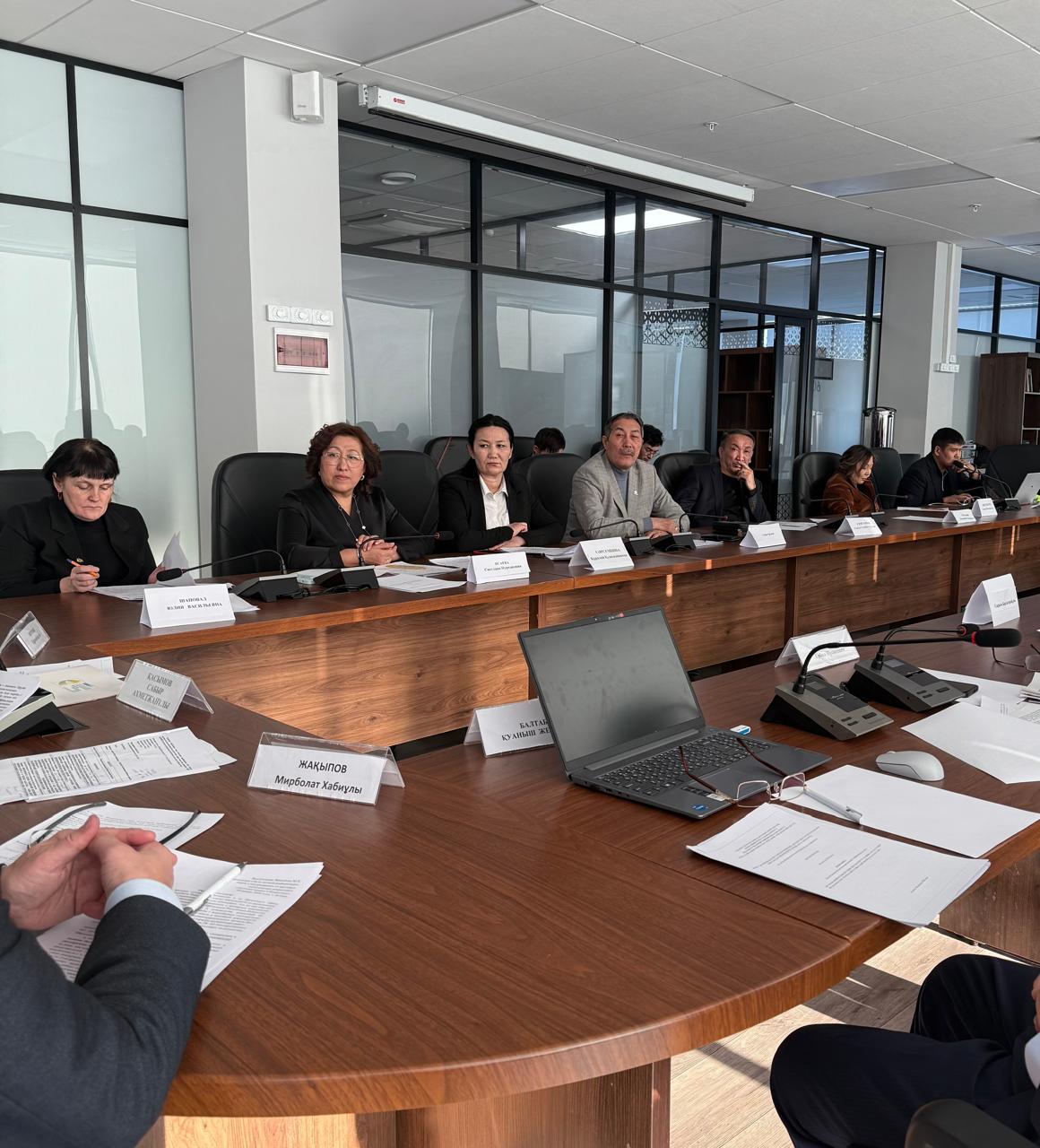
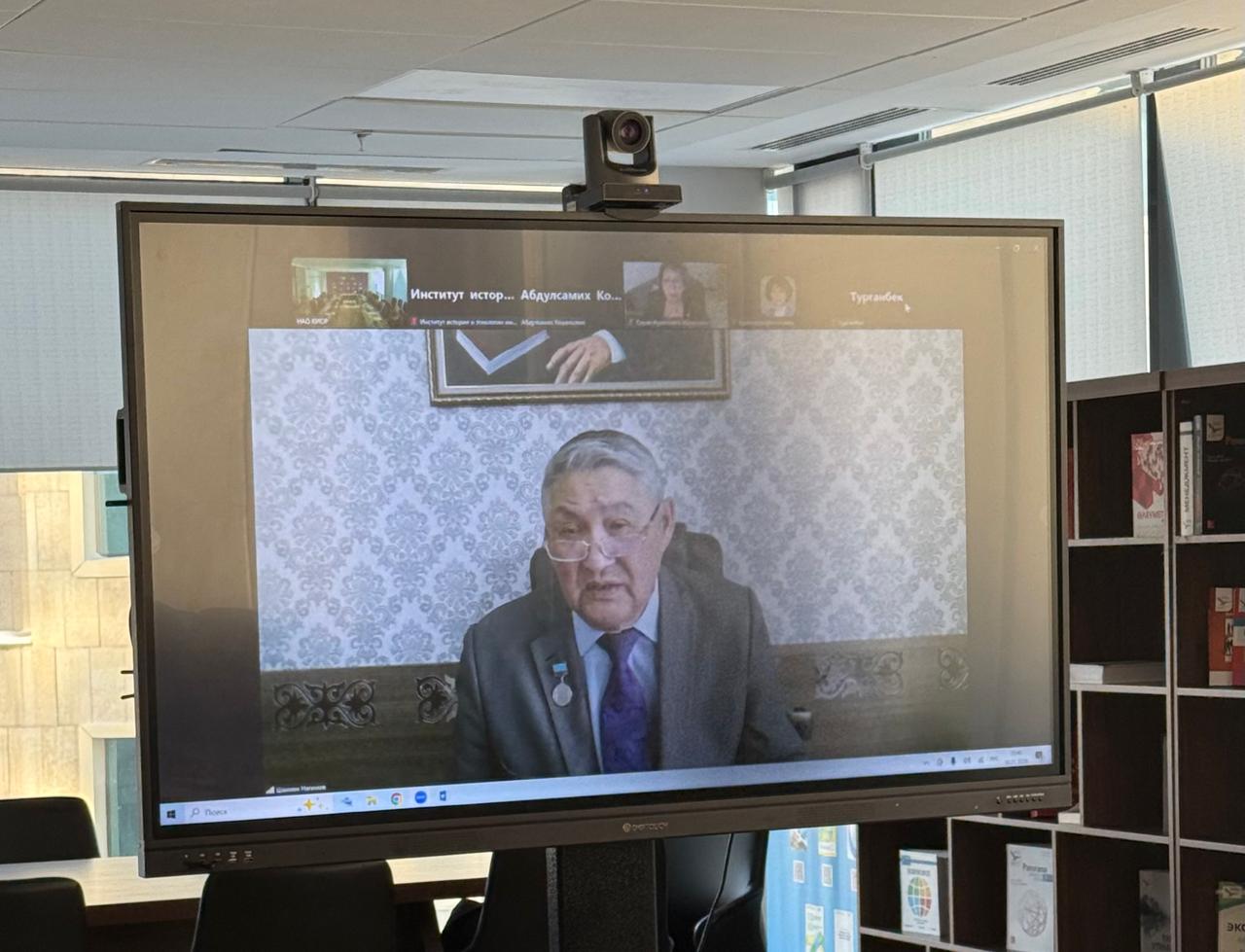
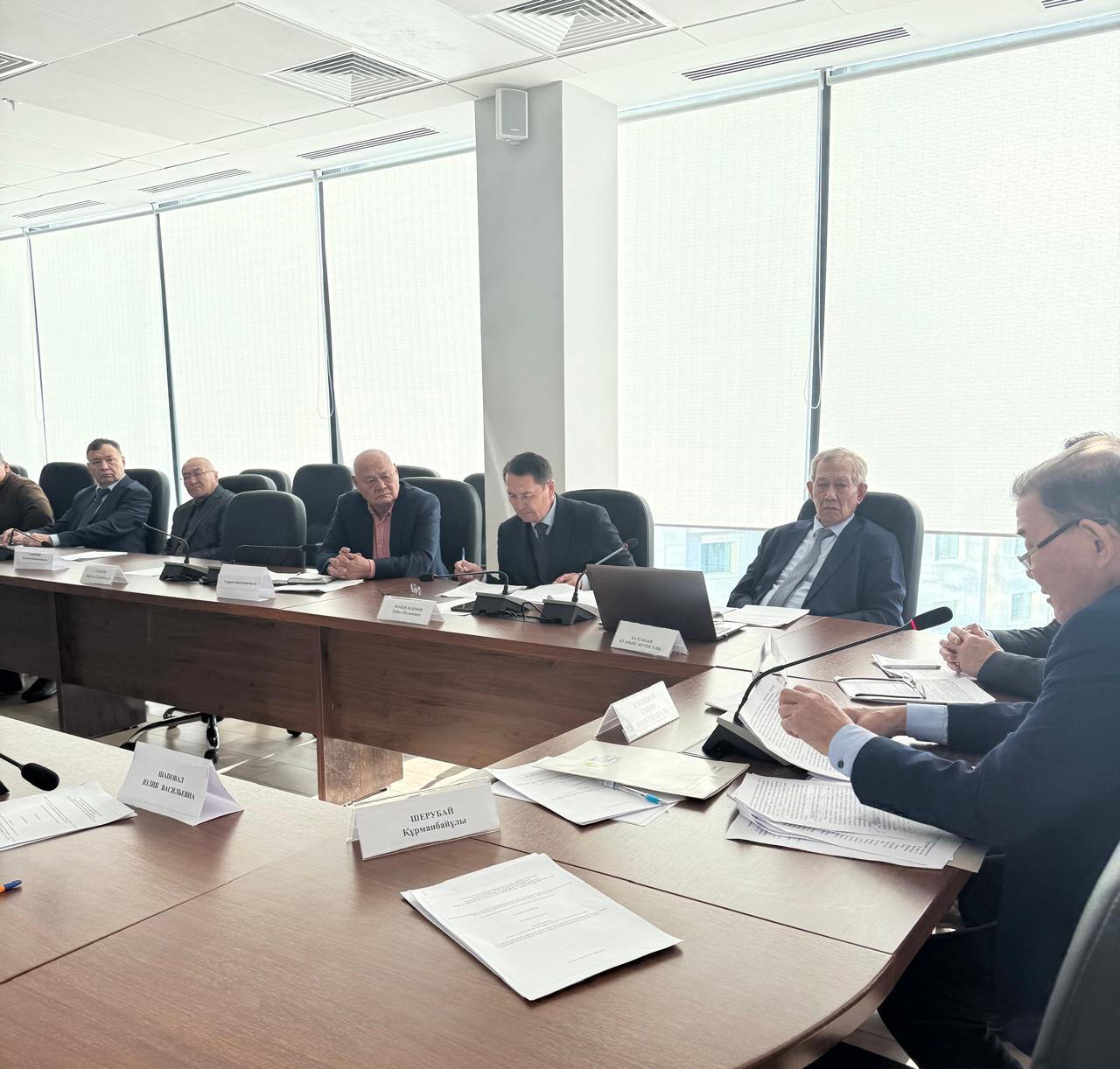
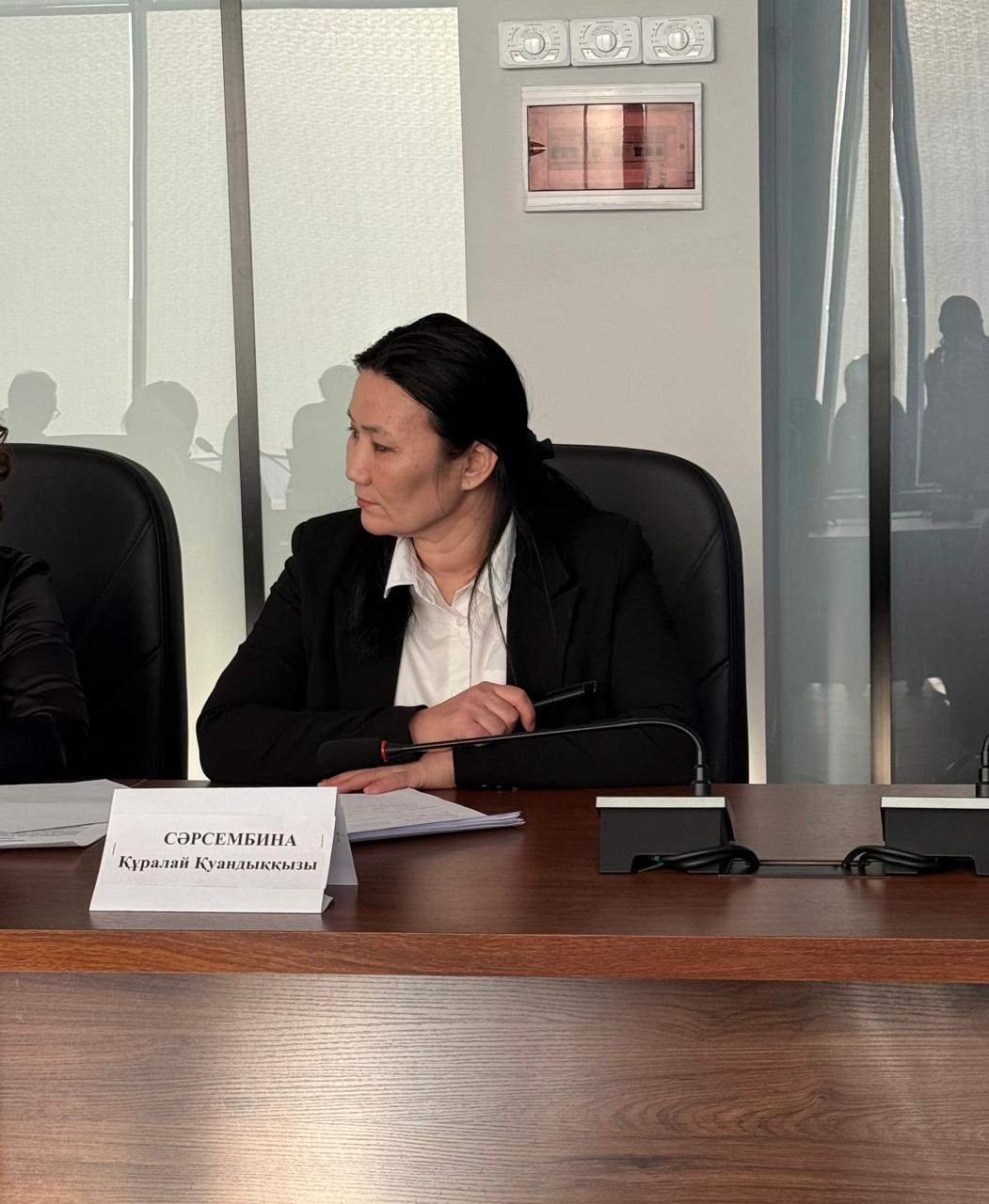
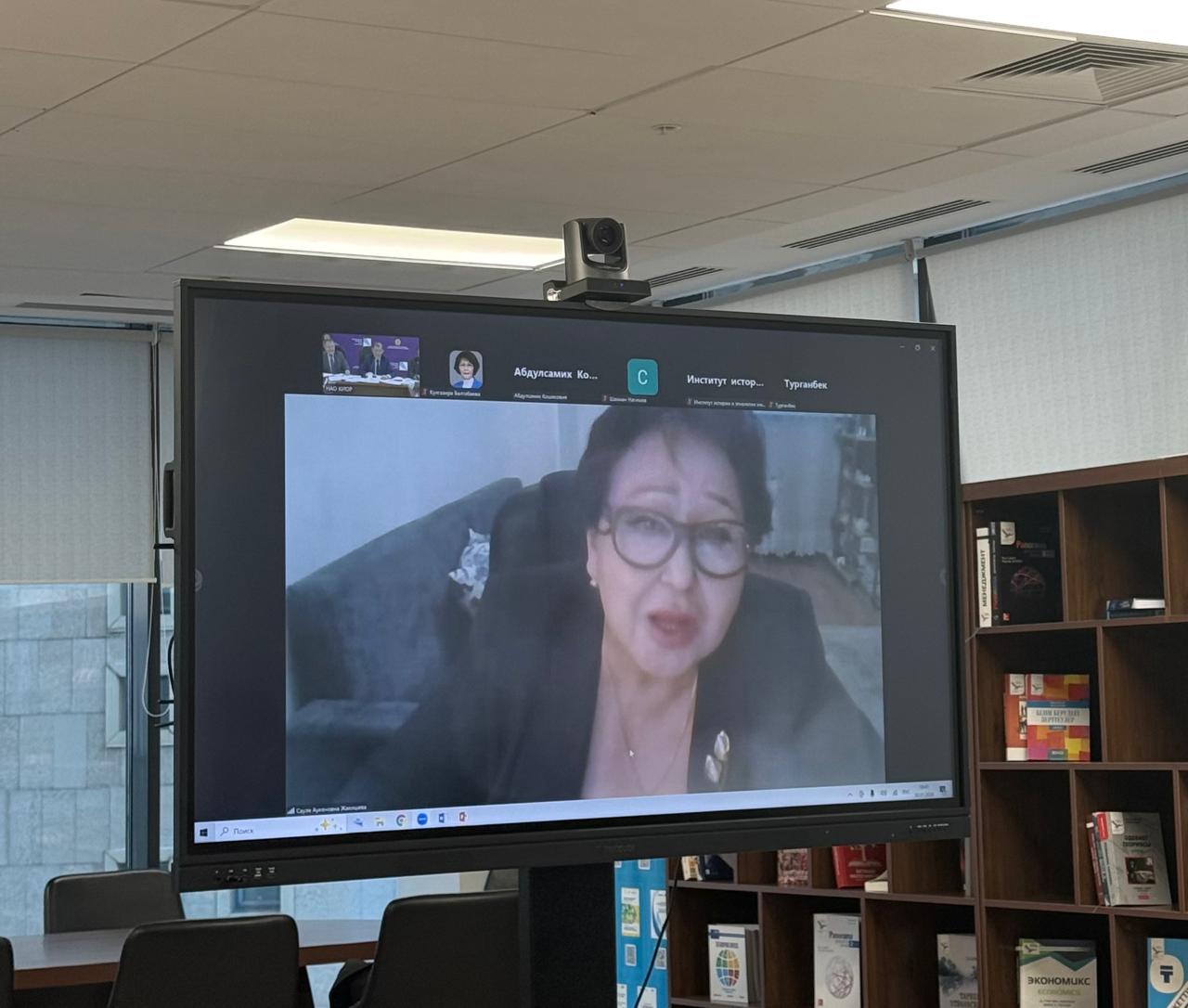
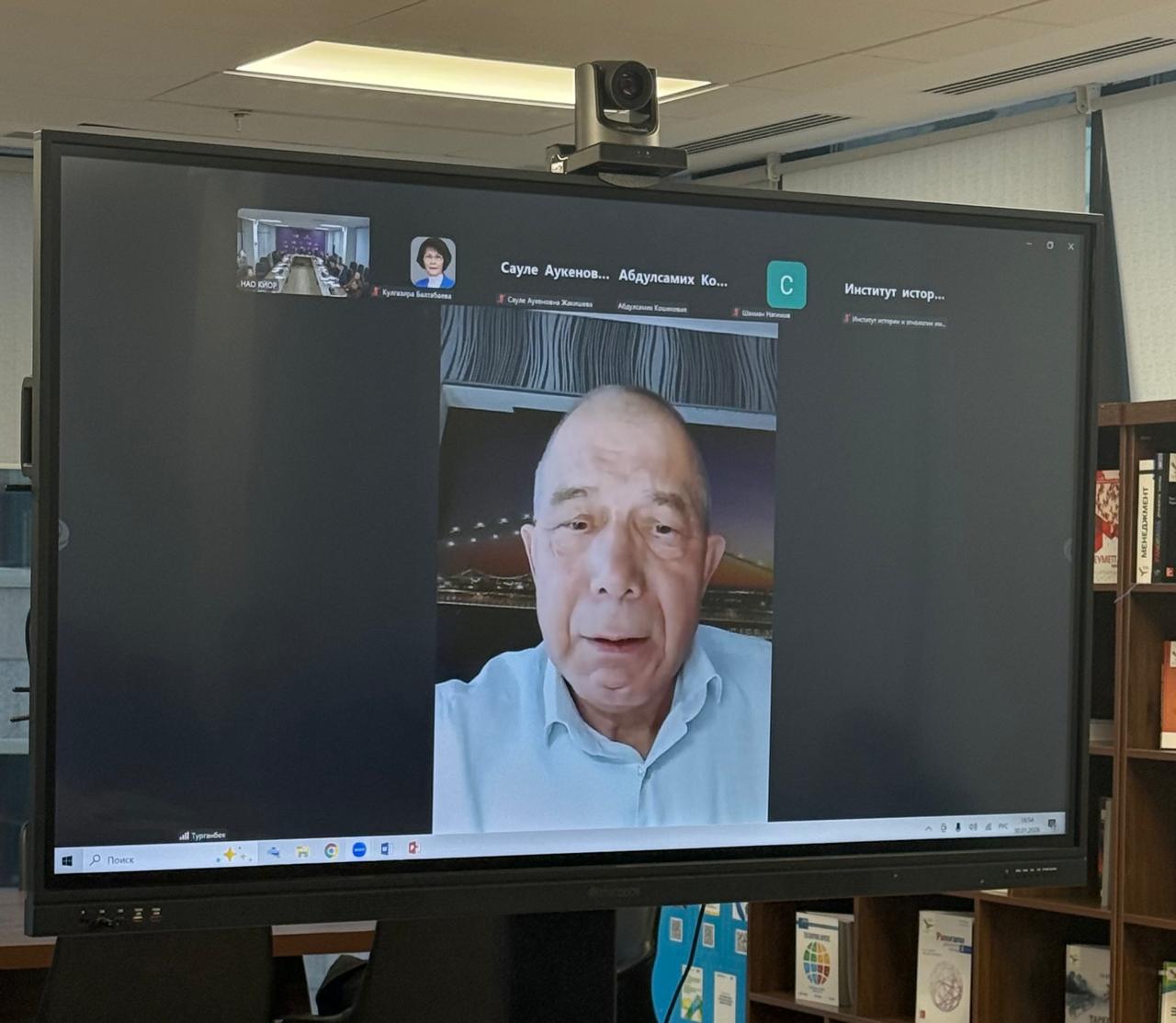
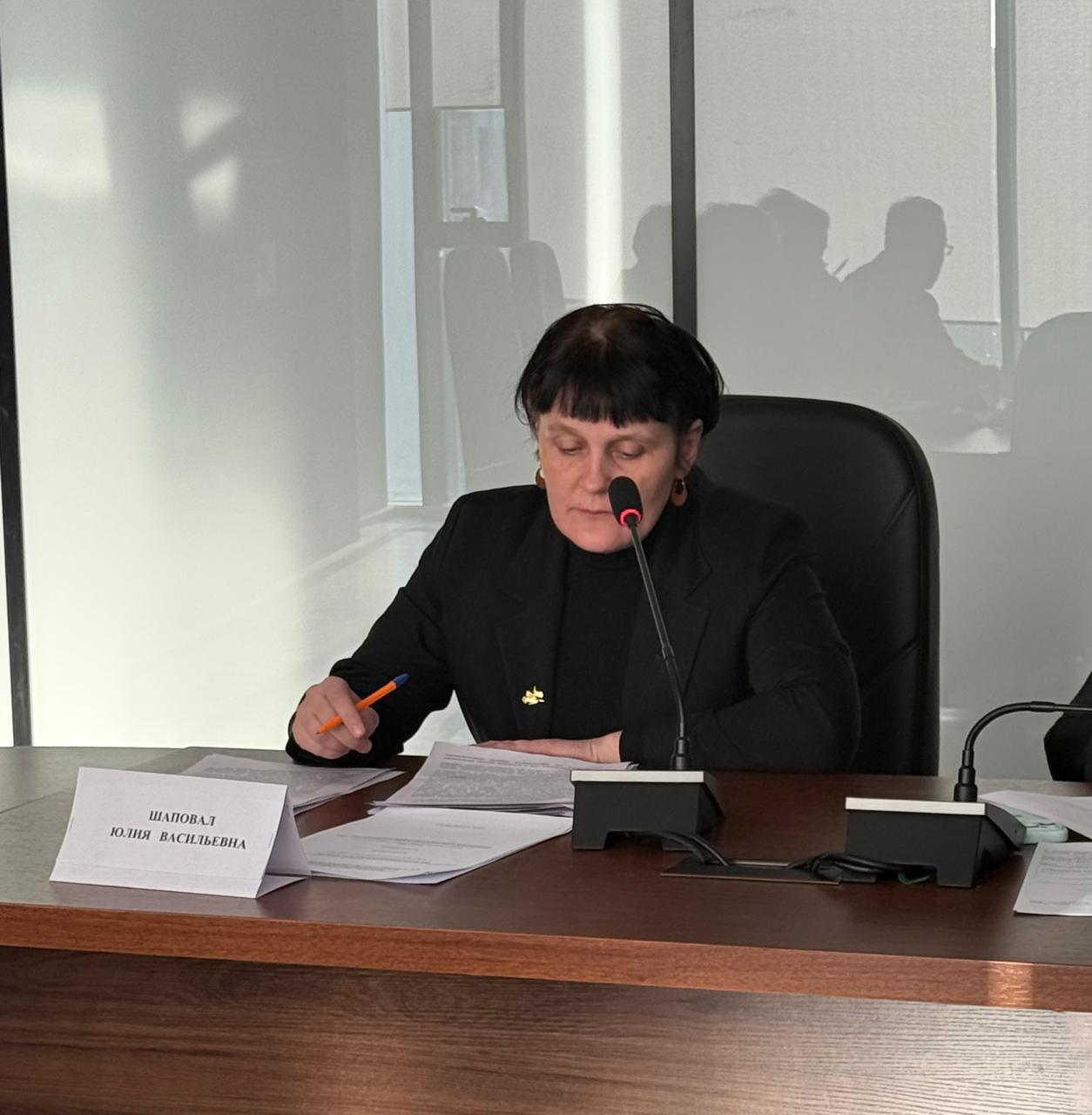
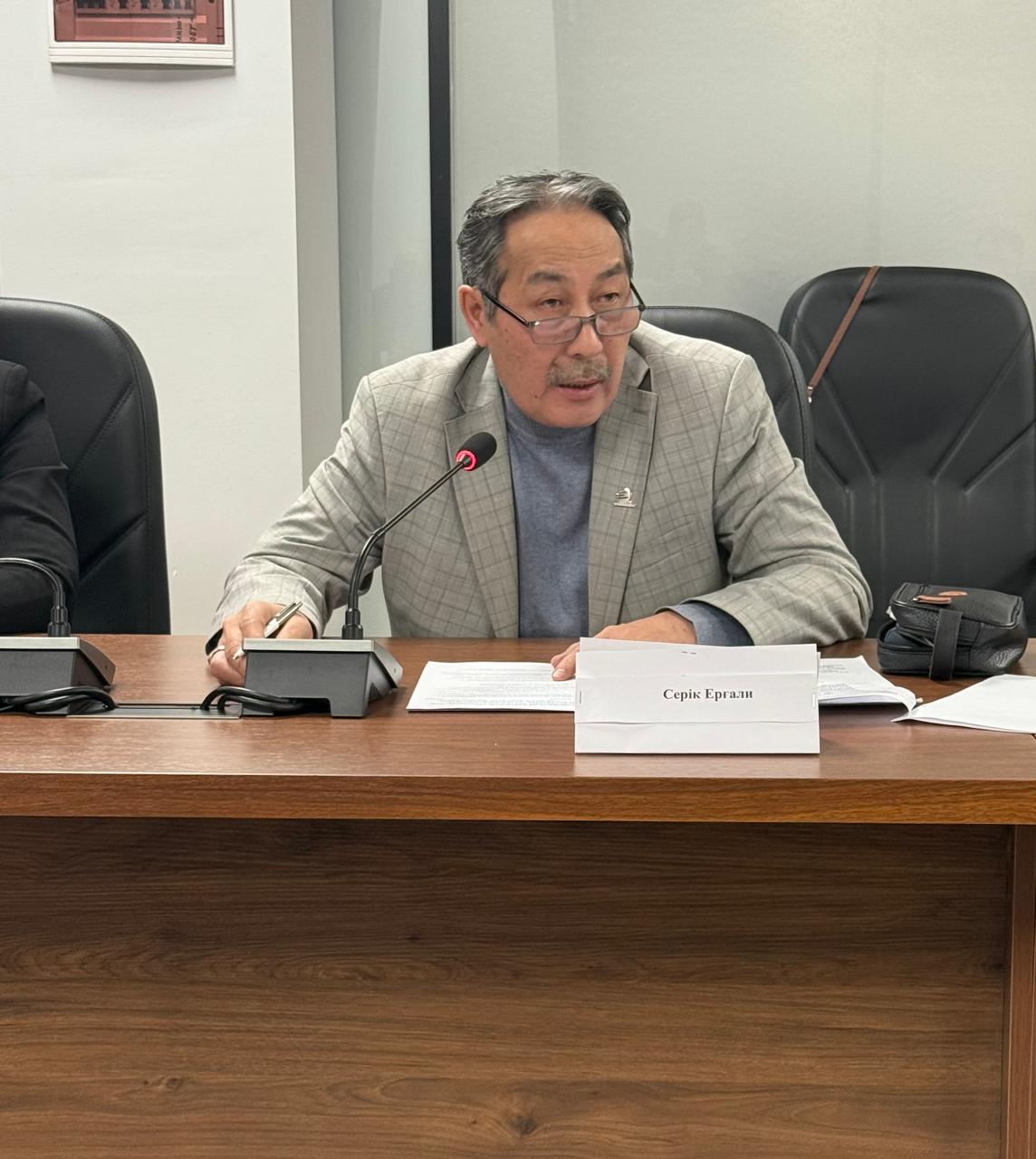
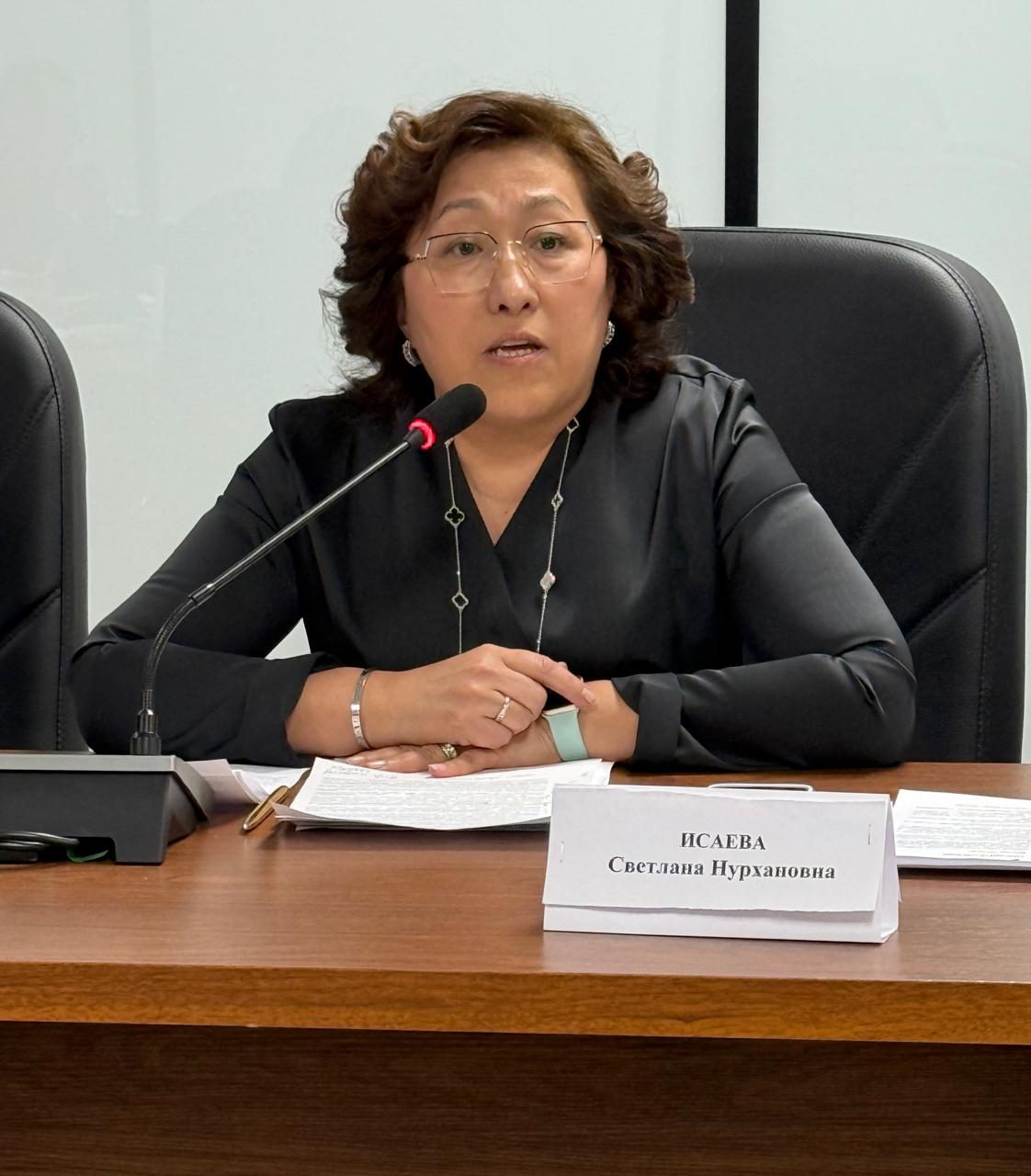
On 30 January 2026, in the city of Astana, within the framework of the implementation of the Governmental Program-Targeted Financing entitled “Fundamental Research into the Main Basic Categories and Subcategories of Victims of Political Repression in Kazakhstan and the Processes of Their Full Rehabilitation,” a Republican Scientific and Practical Conference was held on the topic: “Paths Toward the Full Rehabilitation of Victims and Those Affected by Mass Political Repressions in the Soviet Period in Kazakhstan.”
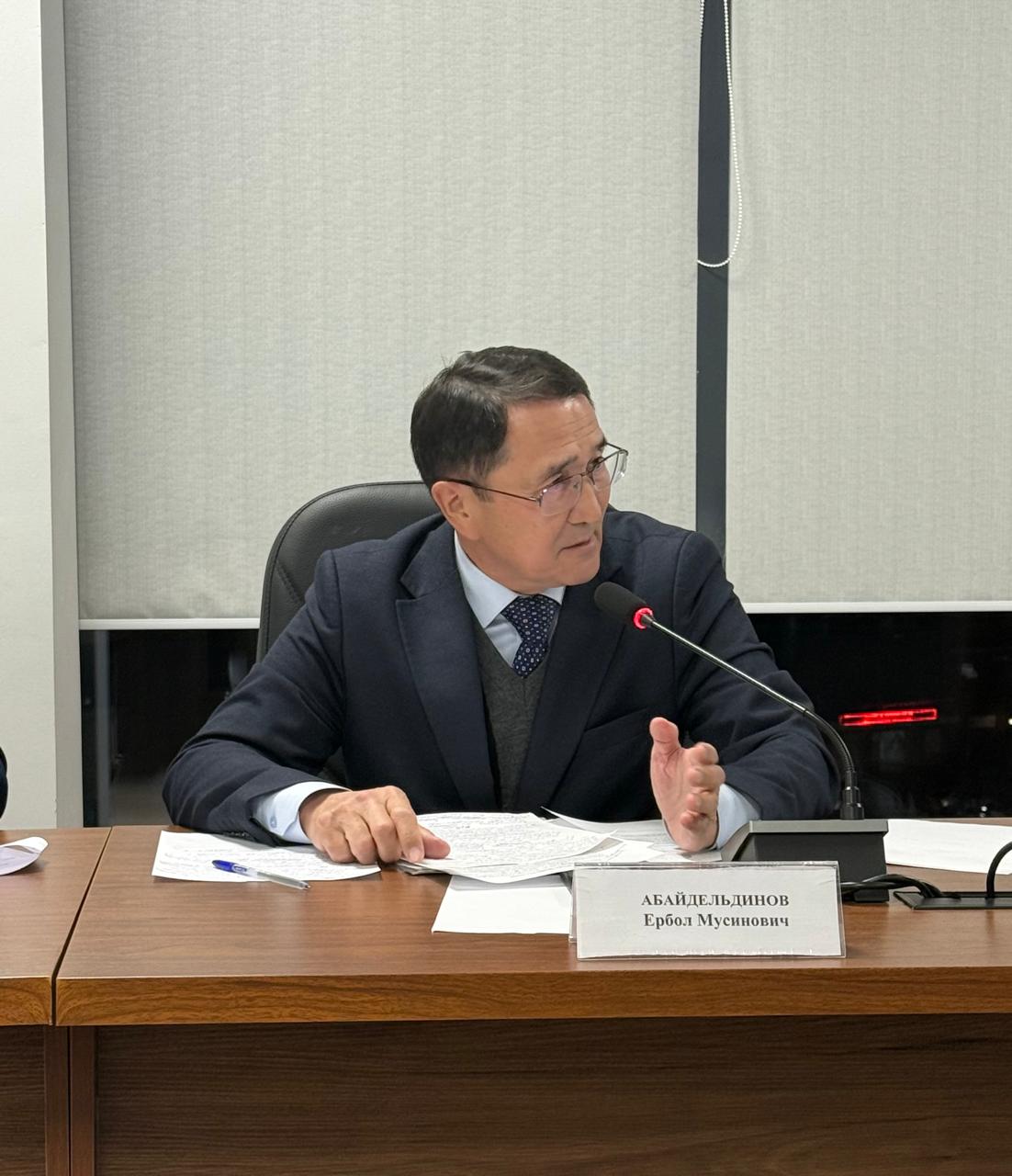
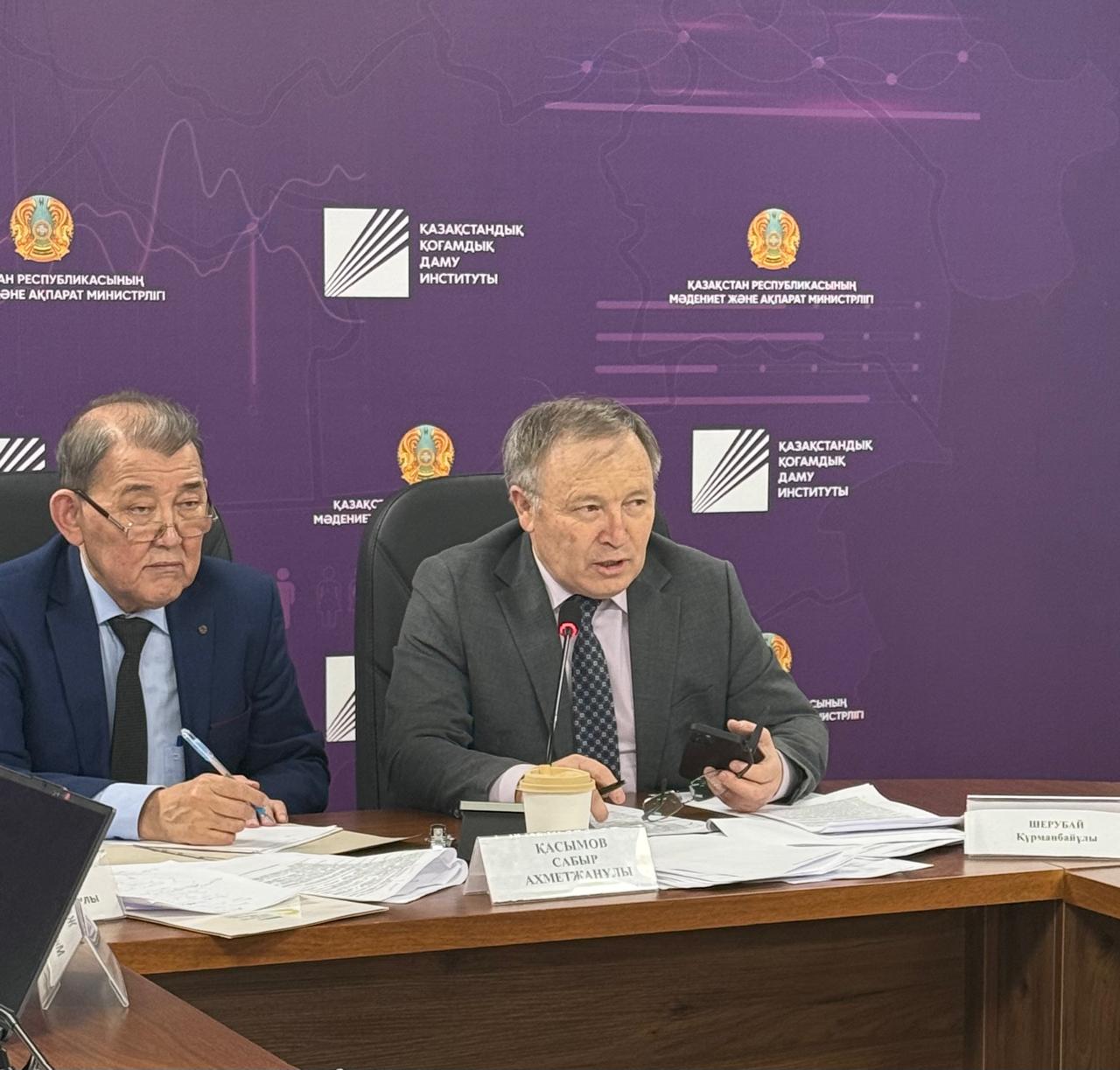
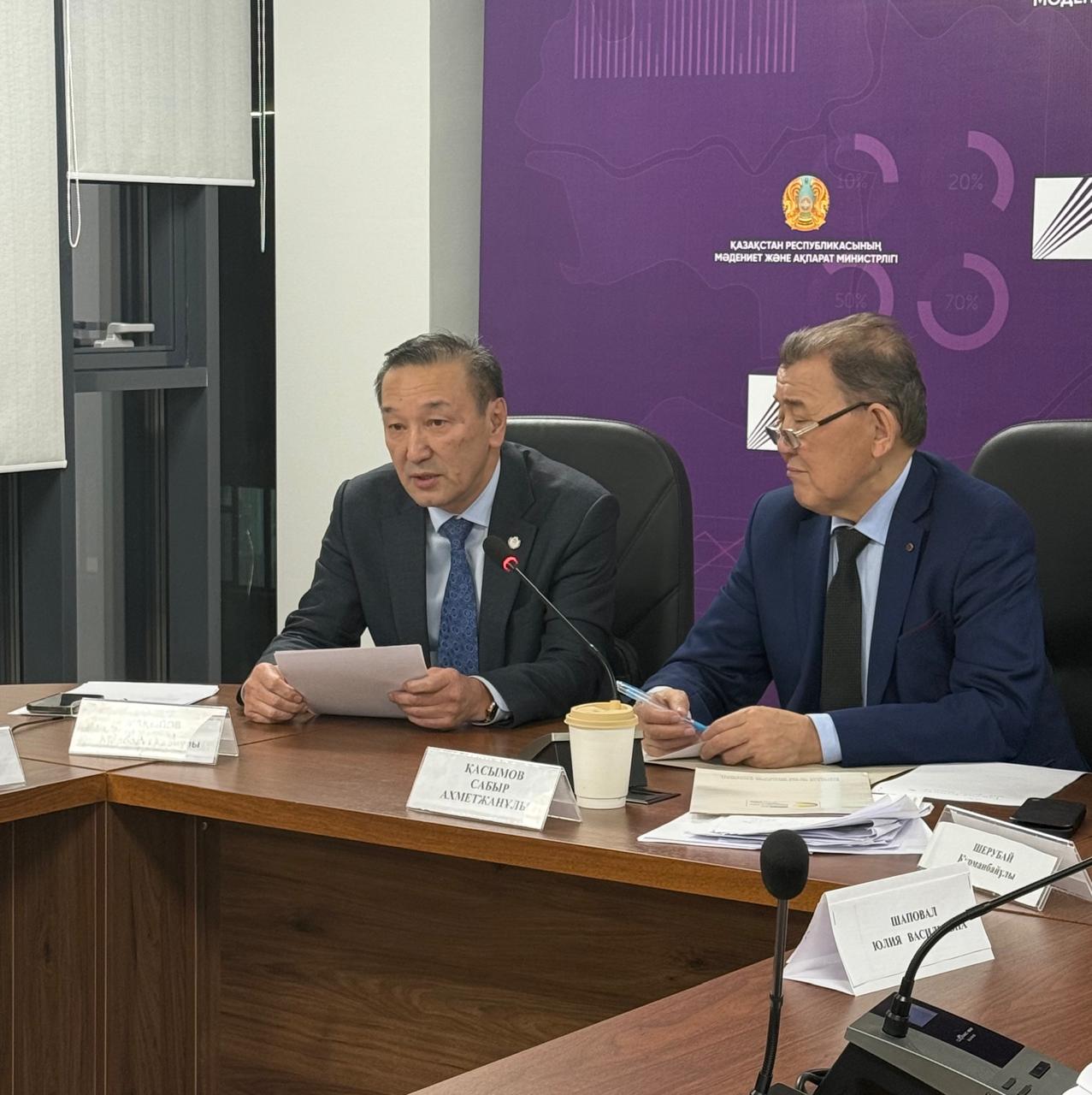
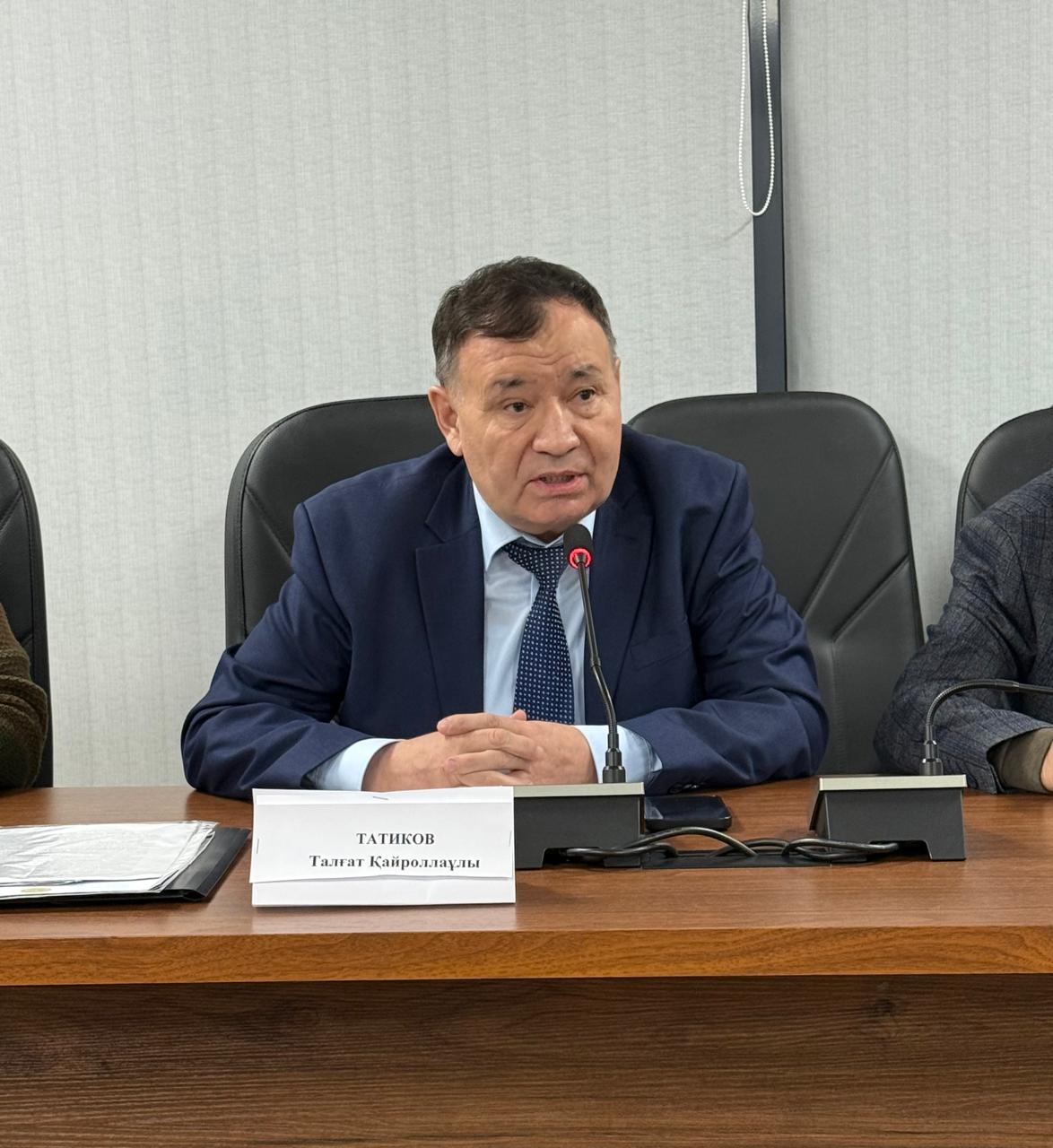
As is well known, on 24 November 2020, by Decree of the President of the Republic of Kazakhstan Kassym-Jomart Tokayev, with the aim of restoring historical justice with regard to innocent victims of repression, the State Commission for the Full Rehabilitation of Victims of Political Repression was established. In December 2023, the State Counselor of the Republic of Kazakhstan, Yerlan Karin, summarizing the activities of the State Commission, noted that it had carried out extensive organizational and research work on the study of mass political repressions during the Soviet period in Kazakhstan. The Commission organized the process of declassifying archival materials, conducted systematic research into previously unexplored and unreconstructed categories of victims of political repression of the 1920s–1950s, and announced specific quantitative results of its work. Today, fundamental scholarly research based on the conclusions of the State Commission is being continued by the Project Office and the Astana branch of the Chokan Chingisovich Valikhanov Institute of History and Ethnology. During the conference, participants discussed issues related to improving the content of draft laws developed by a group of scholars and experts of the State Commission under the leadership of the well-known legal scholar Iskander Sh. Borchashvili: • “On the Full Legal Rehabilitation of Victims and Persons Affected by Political Repression”; • “On Political Rehabilitation and the Status of Fighters for the Independence of Kazakhstan.” In his address, the Head of the Project Office, Serik Kassymov, emphasized that these draft laws are special and exclusive in nature, having been prepared on the basis of materials collected by the State Commission and in accordance with international legal values and standards. He substantiated the necessity and relevance of adopting these laws for the restoration of historical justice, as well as for the progressive development of the state and society of Kazakhstan and the enhancement of its image in the civilized world. In this regard, he expressed hope that these issues would be discussed during the electoral period. The purpose of the conference was to comprehensively refine the content of the draft laws and prepare them for consideration by the Parliament. He noted that many categories of Kazakhstani victims whose rehabilitation is addressed in these draft laws have already been rehabilitated in other former Soviet republics that are now independent states, as well as in countries of Eastern Europe that experienced similar regimes. The former leadership of the so-called “Old Kazakhstan” had closed archives related to political repression, preventing comprehensive study of the specific features of large-scale political repression in the Republic. Approximately fifteen revolutionary and violent political campaigns of the anti-popular program known as the “Little October in Kazakhstan” were not fundamentally studied. Serik Kassymov explained that the primary objective of adopting these laws is to implement the ideas of President Kassym-Jomart Tokayev on restoring historical justice with respect to Kazakhstani citizens who were caught in the machinery of repression during the Soviet period. He stated that scholars involved in the work of the State Commission and the Project Office support constitutional reforms aimed at strengthening state security, protecting citizens’ interests, and fostering active patriots of Kazakhstan. He further justified that the political rehabilitation of fighters for national freedom and the territorial integrity of Kazakhstan is intended to support the national idea proclaimed by the President — “Independence Above All.” He called upon the patriots of Kazakhstan to assist the President in addressing strategic tasks in the construction of a just state and to contribute to the liberal and democratic reform of the political system. During the conference, presentations were delivered by leading scholars of the country, including Academician Sh. Kurmanbaiuly; Doctors of Sciences Yury Shapoval, Saule Zhakisheva, Iskander Borchashvili, Kanat Aitkhozhin, Yermek Abaideldinov, and Kairat Baltabayev; as well as Candidates of Sciences Sh. Nagymov, K. Baltabayeva, T. Allaniyazov, and S. Isayeva; along with the statesman and public figure Marat Zhakypov and others. Historians, each within their respective research areas, drawing on materials from the State and regional commissions as well as their own studies, presented convincing and concrete scholarly arguments and evidence demonstrating the necessity and social demand for the adoption of these laws. They emphasized that after the declaration of independence in 1991, the authorities of Kazakhstan did not provide opportunities for a comprehensive and systematic study of the specific features of mass political repression in the country and its consequences for the Kazakh people. In particular, the revolutionary and violent implementation of approximately fifteen political campaigns of the anti-popular program “Little October in Kazakhstan,” which led to a socio-economic, humanitarian, and demographic catastrophe known as the Asharshylyk famine, was not fundamentally researched. The participants noted that following the adoption of the Presidential Decree of 24 November 2020 and the large-scale work of the State Commission on the full rehabilitation of victims, there emerged hope that a genuine, comprehensive, and fair reconstruction of the full picture of political repression would finally begin, including the identification of the main categories of victims and affected persons, as well as the adoption of relevant legislative acts by Parliament. However, after the premature termination of the State Commission’s activities, these plans were postponed. Nevertheless, due to the consistent and purposeful work of the Project Office and scholars, fundamental scientific research continues. The time has now come to bring the work initiated by the President to its completion. Legal scholars noted that for well-known reasons, jurists had previously not been involved in the study of mass political repression in Kazakhstan, and therefore an independent school of research into the legal nature and aspects of political repression did not develop in the country. In particular, issues such as the presence or absence of a criminal component in politically motivated charges against Kazakhstani citizens, as well as the collection of objective evidence for rendering guilty verdicts and decisions by extrajudicial bodies, remained insufficiently examined. The speakers presented comparative experiences in the study and political-legal assessment of legislative acts and state measures adopted in former Soviet republics and in Eastern European countries aimed at the full rehabilitation of victims of the totalitarian party-Soviet regime. They also expressed unconditional support for the full implementation of the Presidential Decree on the establishment of the State Commission for the Full Rehabilitation of Victims of Political Repression. Accordingly, the adoption of the two discussed draft laws would, first, constitute a logical conclusion to the work carried out by the State Commission, and second, serve as a reliable political-legal and scholarly foundation for the construction of a just state. As a result of the effective resolution of these issues, society will support the forthcoming constitutional and political reforms and actively participate in the civilized development of a “listening state” and institutions of civil society. Following the discussion, the conference adopted an appropriate Resolution.