1 November 2022

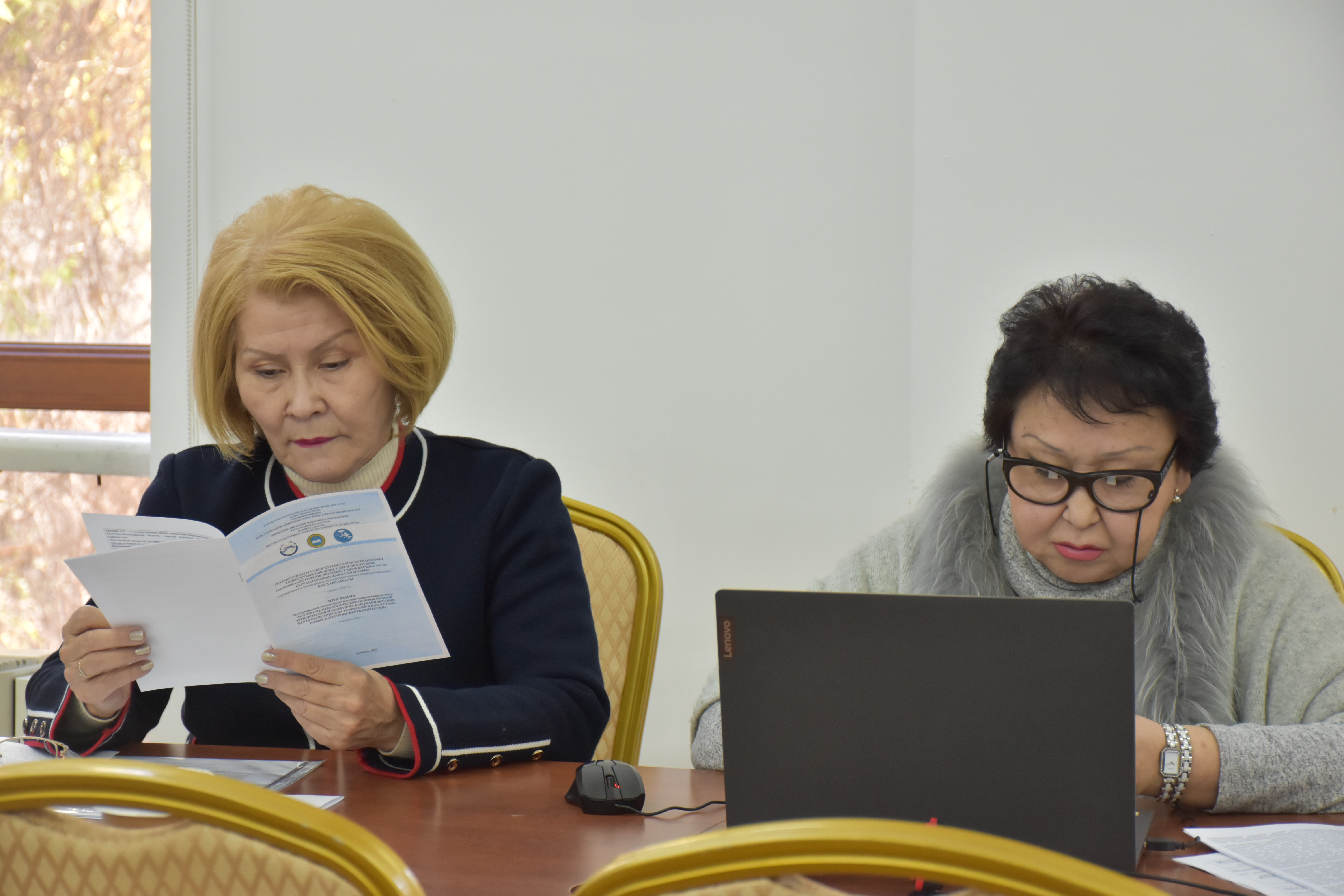
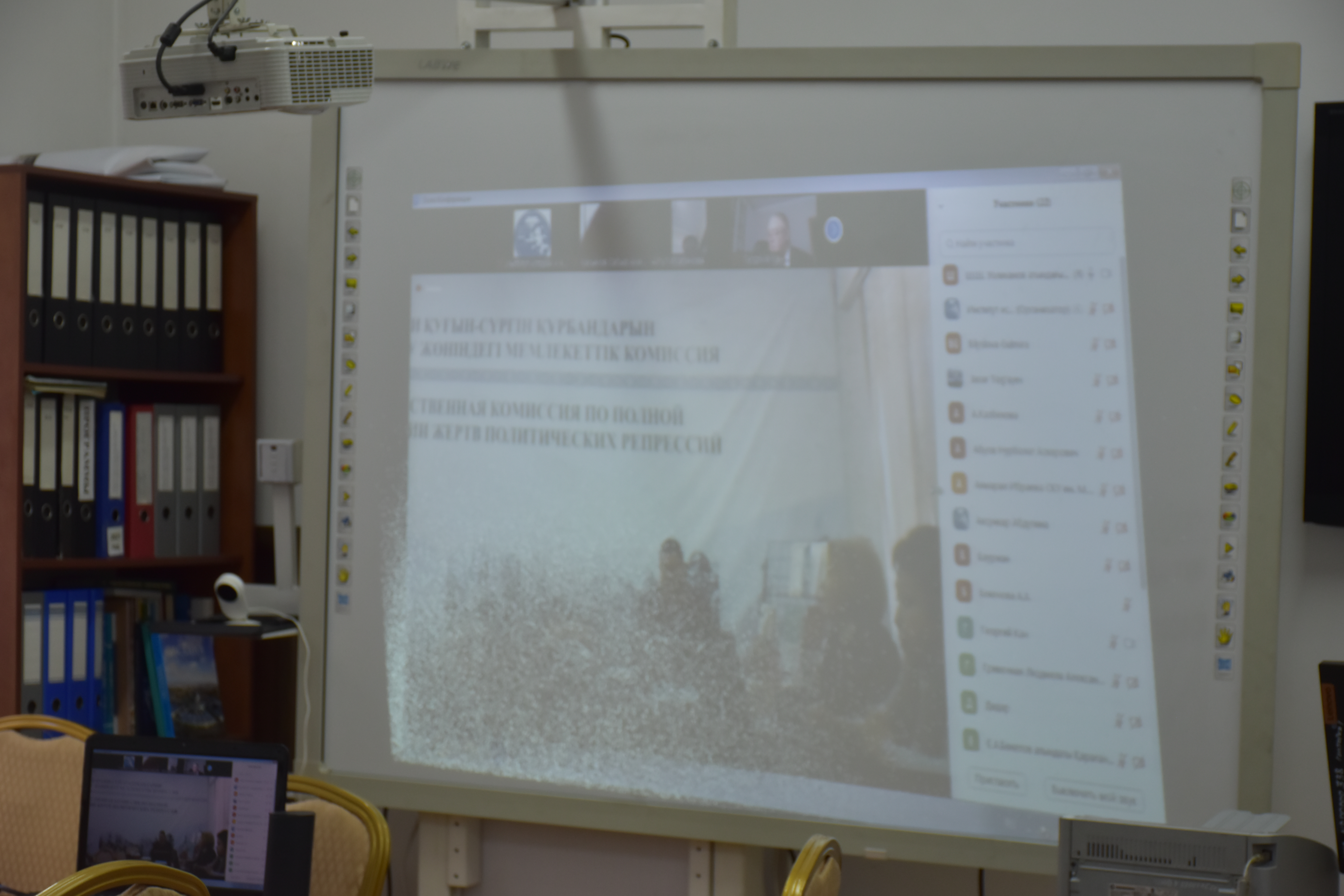
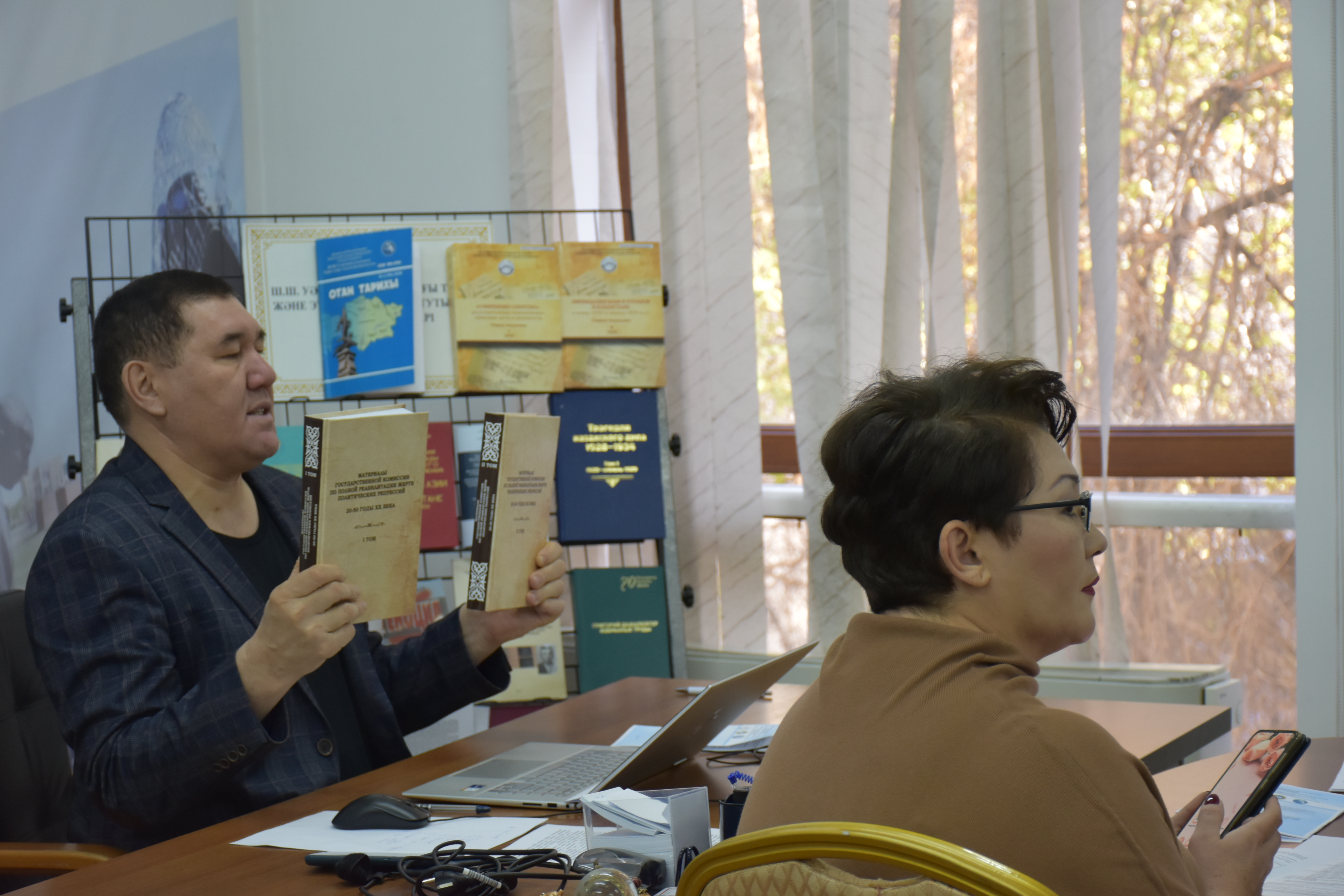
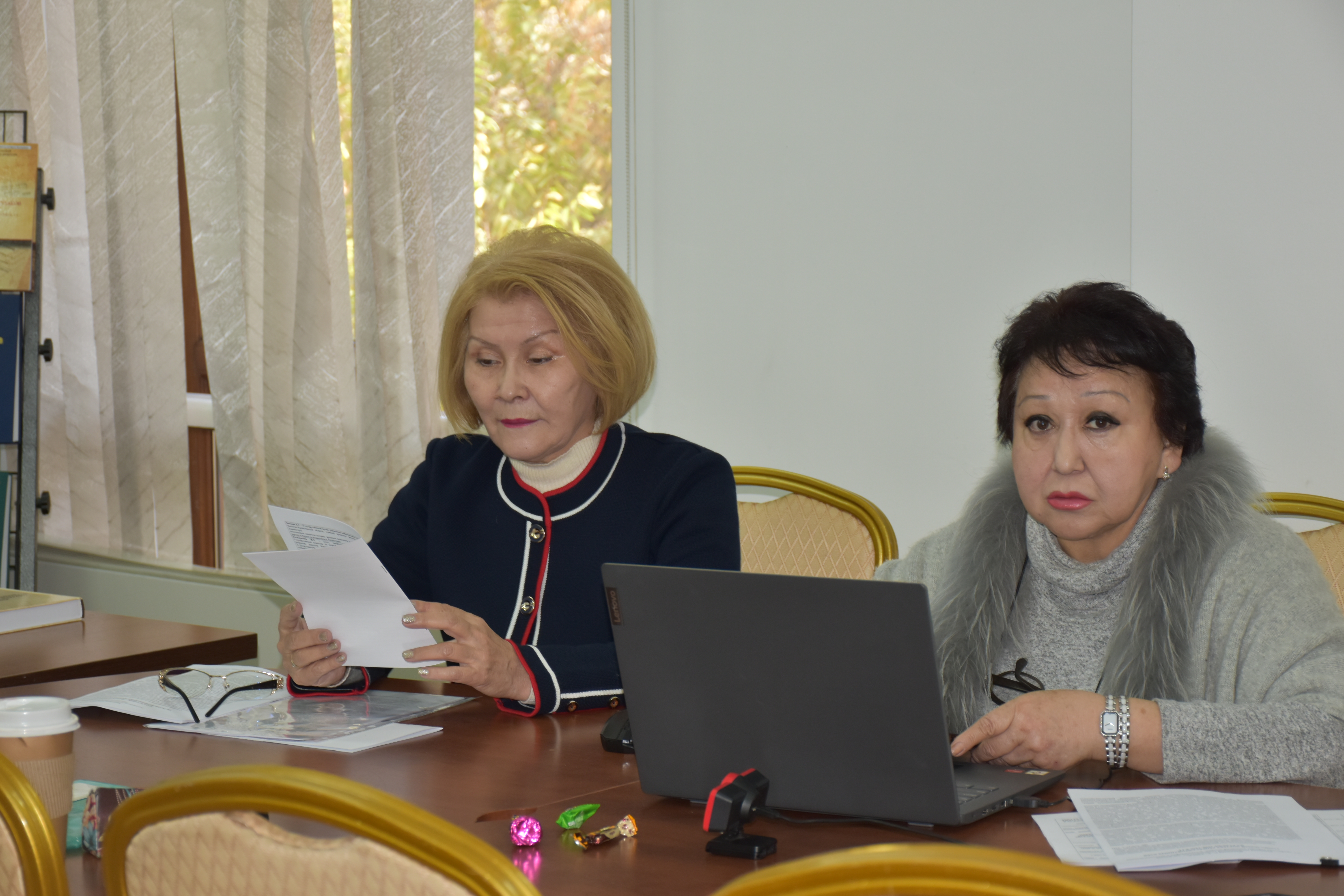
On November 1, 2022, at the Institute of History and Ethnology named after Ch. Valikhanov International Scientific and Practical Conference "Scientific and methodological bases of full legal and political rehabilitation of victims of political repressions in Kazakhstan: new categories of victims of repressions" was held together with the Project Office in support of the activity of the State Commission on full rehabilitation of victims of political repressions.
The conference discussed the problems in the following areas:
1) Specifics of political repressions in Kazakhstan and scientific and methodological problems of full legal and political rehabilitation of victims of repressions.
2) Repression of fighters for independence and territorial integrity of Kazakhstan, as well as representatives of scientific, cultural, and other spheres.
3) Elimination of kulaks, bais, and semi-feudal (middle-aged) in Kazakhstan in the late 1920s - early 1930s.
4) Forced collectivization, procurement, and other political campaigns of the Bolshevik-Stalinist authorities against the peasantry.
5) Stalin's deportations and special settlers.
6) GULAG camps in Kazakhstan.
7) Soviet repressive policy against religious figures in Kazakhstan.
8) Popular uprisings and protests in 1929-1931.
9) Forced refugees from Kazakhstan in 1916-1930s and the politics of remembrance.
During the conference the main results of the 2022 work done by the State Commission, consisting of leading experts in the field of law and historical science, under the leadership of the academic Ch.Ch. Valikhanov. In conducting the forum participated scientists - historians, political scientists, philosophers, and religious scholars of Kazakhstan, Russia, and Kyrgyzstan, management and staff of the Republican Project Office, and members of regional commissions.
The moderator of the conference was the scientific director of the Program - Director of the Institute, Doctor of Historical Sciences, Professor, and Corresponding Member of the National Academy of Sciences of the Republic of Kazakhstan Ziyabek Yermukhanovich Kabuldinov.
Welcoming speeches in honor of the Republican scientific and practical conference were made by: Sabyr Akhmetzhanuly Kasymov - Head of the Project Office in support of activities of the State Commission on full rehabilitation of victims of political repressions, honored worker of RK, Candidate of Sciences in Law.
At the conference keynote speeches were made by:
Cherepanov Konstantin Vladimirovich, Associate Professor of the Department of General History of Omsk State University named after F. M. Dostoevsky, Candidate of Historical Sciences with the report "Features of political repression in the Mongolian People's Republic" (Omsk, Russian Federation);
Saule Aukenovna Zhakisheva, Professor at Al-Farabi Kazakh National University, Doctor of Historical Sciences, with the report "Social portrait of the repressed beys at the turn of 1920-1930s" (Almaty, Kazakhstan);
Lyudmila Alexandrovna Grivennaya, Head of the Department of the Assembly of the People of Kazakhstan at M. Kozybayev North Kazakhstan State University, Candidate of Historical Sciences with the report on "The specificity of the armed protests of the early 1920s in the territory of Kazakhstan" (Petropavlovsk, Kazakhstan).
Having heard and discussed the reports and speeches, the participants of the International scientific-practical conference "Scientific-methodological basis of full legal and political rehabilitation of victims of political repressions in Kazakhstan: new categories of victims of repressions" noted that it showed the increasing urgency and great social and humanitarian importance of this topic in the framework of the implementation of the Decree of the President of the country K-J. Tokayev about the creation of the State Commission on full rehabilitation of victims of political repressions of November 24, 2020. Materials of the conference demonstrate the great public response and great aspiration of the people of Kazakhstan to reveal the whole truth of the tragic pages of our history and perpetuate the memory of its victims. It indicates the importance of a deep understanding of the history of mass political repressions from the perspective of new methodological and informational approaches, and the need to consolidate the efforts of state bodies, scientific, and educational organizations, institutions of civil society, confessions, and different groups of the population.
The restoration of an objective picture of the violent campaigns and political repressions carried out in the 1920s-1950s in Kazakhstan should be based on rigorous scientific-expert work to identify, collect and analyze archival materials in domestic and foreign archives that were previously inaccessible. It is important to prepare recommendations for the full declassification of all closed funds, for the introduction into the scientific turnover of the documents contained in them, in order to create a digitized, complete, unified database of victims of political repressions in Kazakhstan, to develop recommendations for the completion of their full rehabilitation.