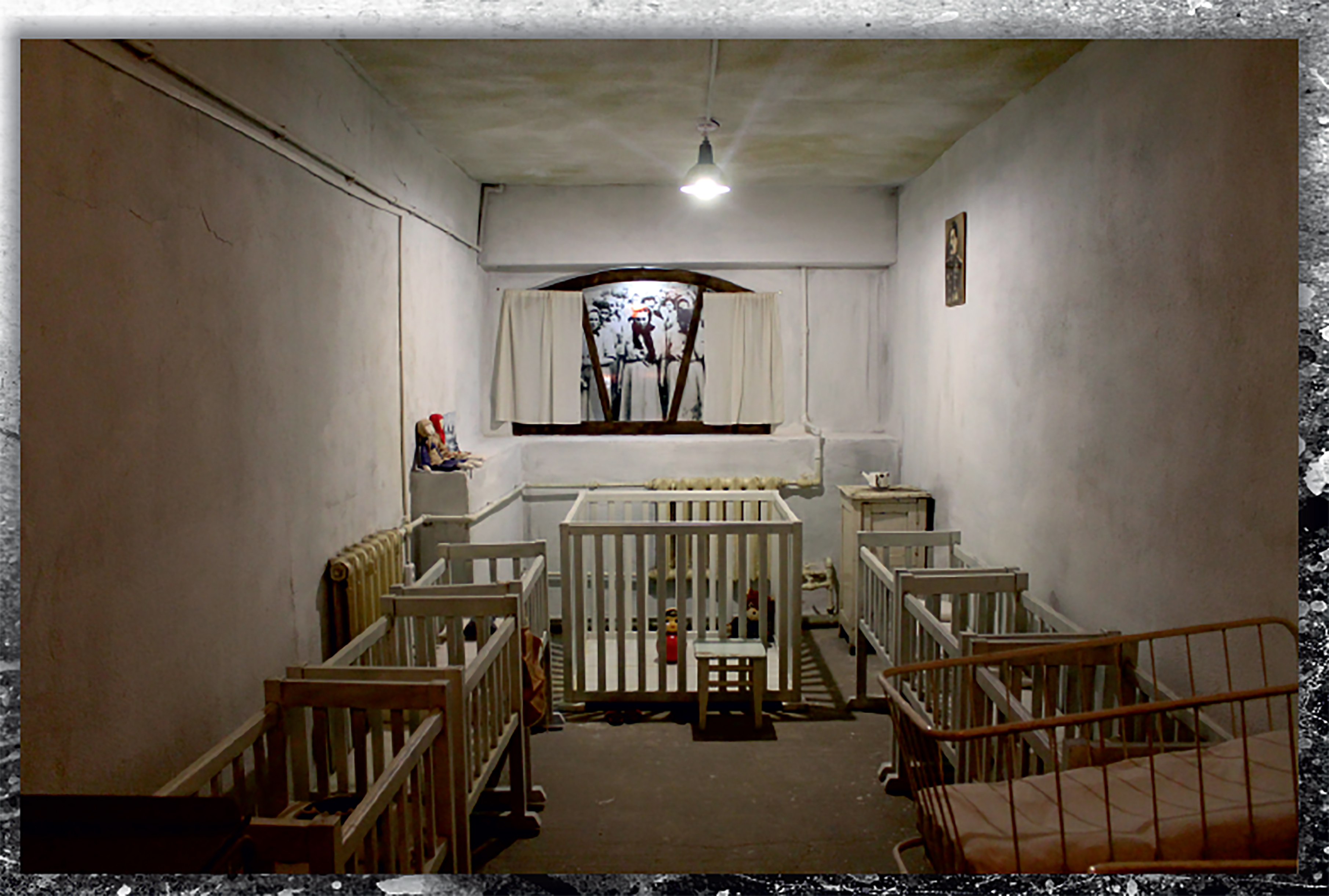
Karlag... The victims of the repression, along with the women, were also children.
Nursery and children's complexes, distribution receivers, orphanages and juvenile detention centers - hundreds of thousands of Soviet children were born and grew up in isolation.
In total, on the territory of Karlag there were 18 kindergartens and nurseries, one children's centerof the Central Field Department, the Osakarovsky and Dolinsky orphanages and the Baby's House of the sanitary-medical department.
Many women arrived at the camp pregnant or with babies.In 1940-1941 1048 children were born in Karlag, and in 1950-1952 - 1713 children.576 children were placed in 5 Baby’s Houses of the camp.
Children were kept in the nursery while their mothers worked.Prisoners were taken under escort to feed their babies, and most of the time the babiesspent under the supervision of nannies - women convicted of domestic crimes.
In the nursing group, the children lay in cribs all the time, and in the slider group, they crawled in the playpens.It was strictly forbidden to take children in their arms.Mothers-prisoners could only meet with their children born in captivity up to a certain age; after 3-4 years of age the child was to be transferred to orphanages outside of Karag.
Children's fates were lost in the orphanage archives, and it is even difficult to determinewhere and how the child got to the orphanage.Upon release from the camp, mothers searched for and did not always find their children.Those whose babies were still kept in orphanages under the camp's departments due to the lack of places in orphanages were the “luckier” ones.
In total, about two and a half thousand children were documented as having been born and initially living in the territory of the Karlag, of which, of which more than fifteen hundred children were selected after the lists had been corrected, whose parents had been repressed for political reasons.